Duty of Care is an approach under which an organization systematically assumes responsibility for the safety of staff it sends to work in high-risk areas.
In practice, safety starts before a team sets out: with risk assessment, route planning and alternative routes, communications checks, and clear procedures for changes in the security situation. It also includes protective equipment, insurance, emergency preparedness, first aid, evacuation procedures, and psychosocial support.
Team4UA brings these components together into a comprehensive support system for humanitarian workers. The Duty of Care package includes:
- body armour and helmets;
- Individual First Aid Kits (IFAKs);
- health and accident insurance;
- training in safety, first aid, and critical incident response;
- psychosocial support and burnout prevention tools.
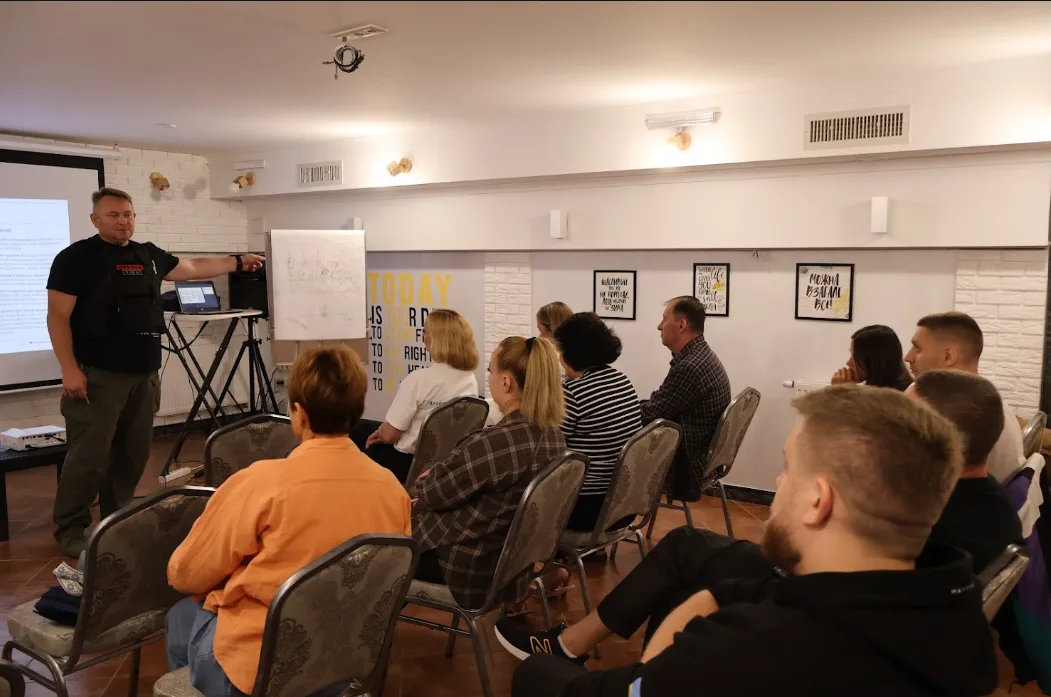
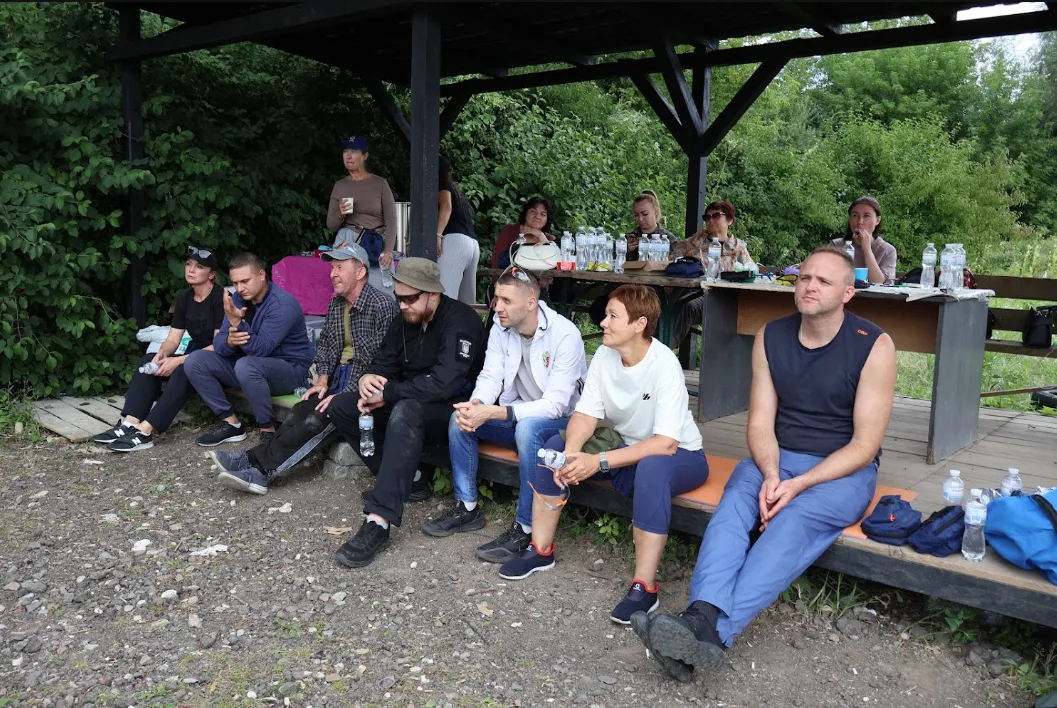
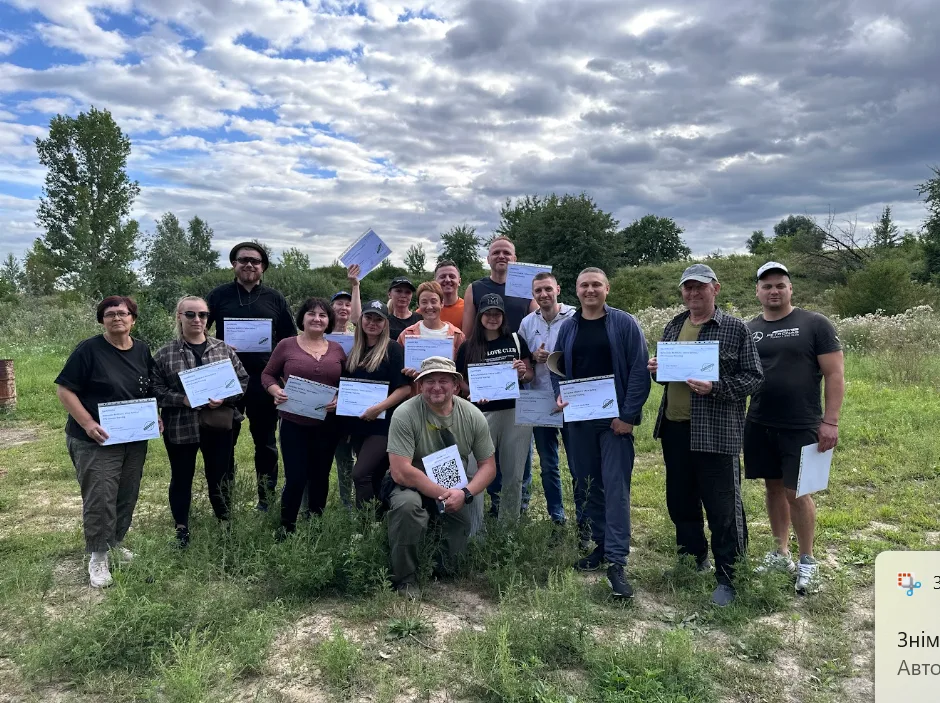
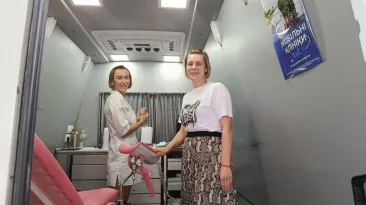
However, equipment only works when people know how to use it and how to respond in a specific situation. That is why practical training is a major part of the programme. More than 200 humanitarian workers operating near the active frontline are expected to complete specialized training. Priority will be given to participants from Chernihiv, Sumy, Kharkiv, Donetsk, Zaporizhzhia, Dnipropetrovsk, Kherson, and Mykolaiv oblasts, while humanitarian workers from other regions of Ukraine are also eligible to participate. Participants include drivers, team leaders, medical personnel, mobile medical team staff, field staff, protection officers, and volunteers working within 50 km of the active frontline.
The training is built around real-life scenarios that teams may face during field missions. Participants practise how to respond to shelling and FPV-drone attacks, assess risks, identify suitable shelter, and act during evacuations. Separate modules focus on mine safety and first aid–from assessing a casualty and controlling massive bleeding to stabilization and preparation for evacuation.
The goal is simple: in a critical moment, a humanitarian worker should not have to spend precious seconds asking, “What do I do?” They should know the procedure and be able to apply it.
At the same time, repeated shelling, complex evacuations, work with people affected by traumatic events, and the need to make decisions under threat place sustained psychological pressure on humanitarian professionals.
That is why Duty of Care also includes psychosocial support. Staff learn to recognize signs of stress and exhaustion, use self-help tools, and support colleagues. This component is delivered by TERA Consortium member Posmishka Charity Foundation.
Supporting the team’s psychological well-being is also a safety issue: exhaustion affects a person’s ability to assess risks, make decisions, and act in a critical situation.
Why is this especially important?
Team4UA is developing its Duty of Care system not only for its own team. A key part of the work is strengthening the safety of TERA Consortium partner organizations.
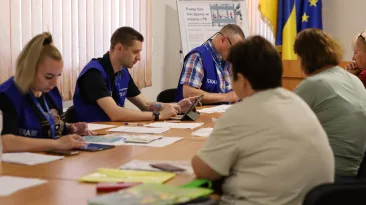
Today, around 20 organizations work together within the TERA Consortium across different regions and areas of humanitarian response. For many local teams, the challenge is not a lack of awareness of the risks, but a lack of sufficient resources to manage them.
They know their staff need quality protective equipment, insurance, specialized training, and safe transport. But for a small organization, providing this full package independently is often difficult.
Through Duty of Care, Team4UA is working to close the gap between “we know what we need” and “we can provide it.”
“A team may know exactly what equipment, insurance, or transport it needs but have no means to purchase it. That is why we also have to take care of the people who deliver this aid. With support from the Ukraine Humanitarian Fund, we have already provided Duty of Care packages to more than 15 organizations”
Jean-Christophe Bonis, Director and Founder of Team4UA
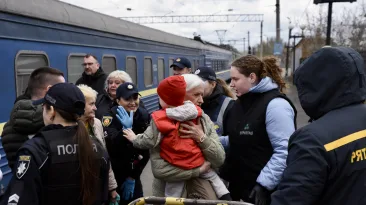
For a humanitarian organization, team safety is directly linked to its capacity to assist people. If a serious incident forces an organization to reduce or suspend field operations, the consequences are felt beyond the team–the community may be left without evacuation support, medical assistance, or humanitarian supplies.
Duty of Care is therefore part of an organization’s operational capacity: humanitarian assistance has to reach people, and for that to happen, someone has to get safely to where it is needed.