How do Odesa Oblast hromadas receive evacuees, where do internally displaced persons live, how are war-damaged facilities being restored, and how is cooperation established between different levels of government, humanitarian organizations, and donors? What support do veterans need, and what legislative solutions are required to address these needs?
Clarifying the needs of IDPs and the affected population on the ground, as well as identifying potential solutions and avenues for cooperation, was the primary goal of the working visit of the Inter-Factional Parliamentary Association “Protection of the Rights of IDPs and Other Persons Affected by Russian Aggression,” which took place on August 4–7 in Odesa Oblast. The association unites more than 30 Members of Parliament of Ukraine. The Team4UA team also joined the visit.
Over four days, representatives of the parliamentary association, the Odesa Regional State Administration, hromadas, charitable, and humanitarian organizations visited temporary accommodation centers (TACs) for IDPs, a rebuilt dormitory for IDP housing, as well as veterans’ and rehabilitation facilities.
The purpose of the visit was to hear the needs of IDPs and the affected population, assess the situation directly at the hromada level, document the daily challenges faced by local authorities and residents, and determine the necessary legislative solutions and support mechanisms through cooperation among state authorities, local self-government bodies, and civil society representatives.
The visit concluded with an off-site meeting of the Inter-Factional Parliamentary Association.
Housing for IDPs
One of the key issues for hromadas today is providing housing for people forced to leave their homes due to the war.
In Odesa, the delegation visited a temporary accommodation center currently housing around 70 internally displaced persons. In the village of Soborne, they observed a different model: a renovated multi-apartment building with 70 units designated for both temporary and long-term IDP accommodation.
These examples demonstrate that hromadas are exploring various housing delivery models — ranging from rapid shelter post-evacuation to creating conditions for long-term living.
“It is very clear on the ground that the IDP issue has long extended beyond the fact of displacement itself. People require long-term housing solutions. However, housing needs are closely interconnected with complementary services, including access to healthcare, social services, rehabilitation, employment opportunities, and integration into the host community. Therefore, it is crucial for us to maintain a comprehensive perspective and foster close cooperation among various stakeholders, keeping human needs at the center”
Ihor Lavrinets, Public Affairs & Advocacy Coordinator at Team4UA
Dual Challenges Facing Hromadas
Odesa Oblast has another distinct characteristic: the region not only hosts people from high-risk areas, but also regularly suffers from Russian attacks itself.
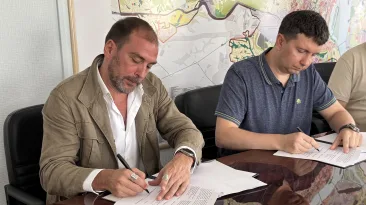
The delegation spent a dedicated day in the hromadas of Bessarabia. In Sarata and Soborne, the participants inspected damaged infrastructure and met with local authority representatives. Discussions focused on the simultaneous challenges faced by hromadas: supporting local residents, receiving evacuees, ensuring access to basic services, and addressing housing shortages.
Under these conditions, IDP assistance and hromada recovery become interdependent tasks. The greater the burden placed on a hromada, the more resources it requires to maintain its capacity to respond to the consequences of war and provide essential services for all residents.
Veterans and Rehabilitation
Another priority area of the working visit was veteran policy and post-war reintegration and recovery.
The delegation visited the Odesa Regional Center for Veteran Protection and National Resistance, where representatives presented the services offered, the challenges faced by veterans, and the necessary tools for their support and reintegration.
At the same time, recovery goes beyond physical health. Alongside medical care, people require psychological support, rehabilitation, social services, and conditions conducive to returning to a full life.
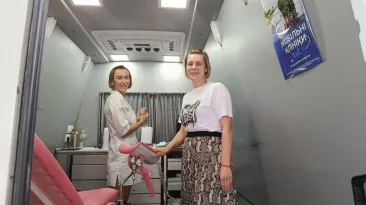
This comprehensive approach to recovery was also discussed during a visit to the Ukrainian Medical Center for Mother and Child Rehabilitation of the Ministry of Health of Ukraine. The center provides medical, rehabilitation, psychological, and psychosocial assistance to adults and children from various regions of Ukraine.
Looking Ahead: Future Solutions
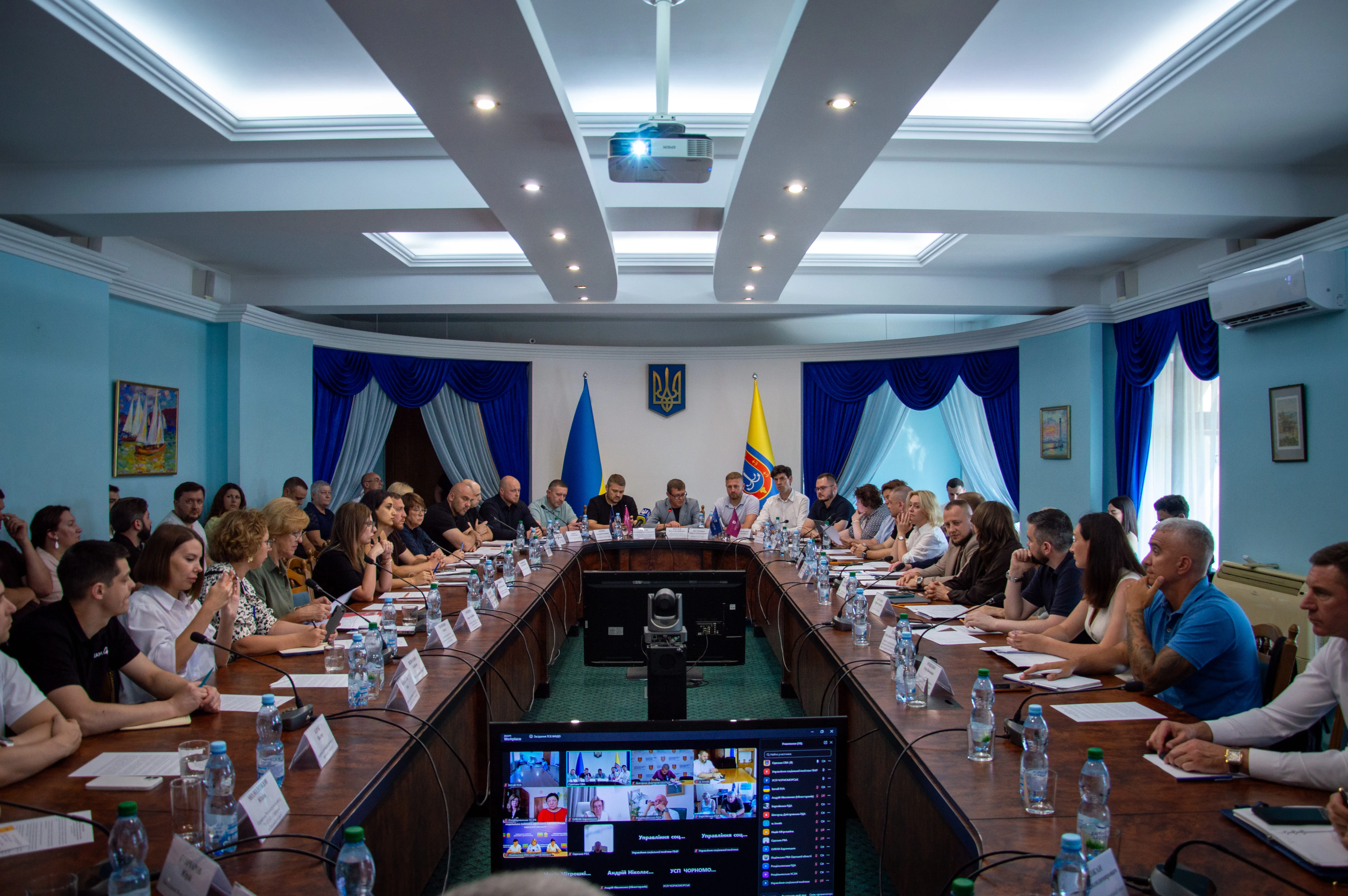
The final milestone of the visit was the off-site meeting of the Inter-Factional Parliamentary Association at the Odesa Regional State Administration. Led by Pavlo Frolov, Head of the Inter-Factional Parliamentary Association, participants summarized the outcomes of the trip and addressed the key issues identified directly in the hromadas.
For Team4UA, the value of this format lies in the ability to combine direct field-level engagement in hromadas with advocacy at the state policy level.
“Our task as the civil society sector is to help shape solutions that work for people in practice. That is why it is essential that the voices of hromadas, IDPs, veterans, and other conflict-affected individuals are heard where decisions are made. We see our role in helping to build this connection.
When we identify a problem during a visit, it is crucial to understand its root causes, the unaddressed needs it creates, and actionable steps to resolve it. Subsequently, we address these issues through targeted advocacy and collaboration with partners, state authorities, and local self-government bodies”
Ihor Lavrinets, Public Affairs & Advocacy Coordinator at Team4UA
Following the visit, participants outlined next steps and priority areas of work. Team4UA will remain actively engaged in further cooperation with hromadas and in advocating for the systemic solutions needed to strengthen their capacity and long-term recovery.