A strategic session for a non-governmental organization follows a different logic than in business. It works not only with goals and indicators, but with people, meaning, and the constraints within which a team operates. When this specificity is ignored, strategy easily turns into a formal exercise that has little impact on day-to-day work.
In this article, Team4UA together with facilitator Viktoriia Sokolova explore when an NGO truly needs a strategic session, what signals indicate that the time has come, and what makes such a process useful rather than exhausting.
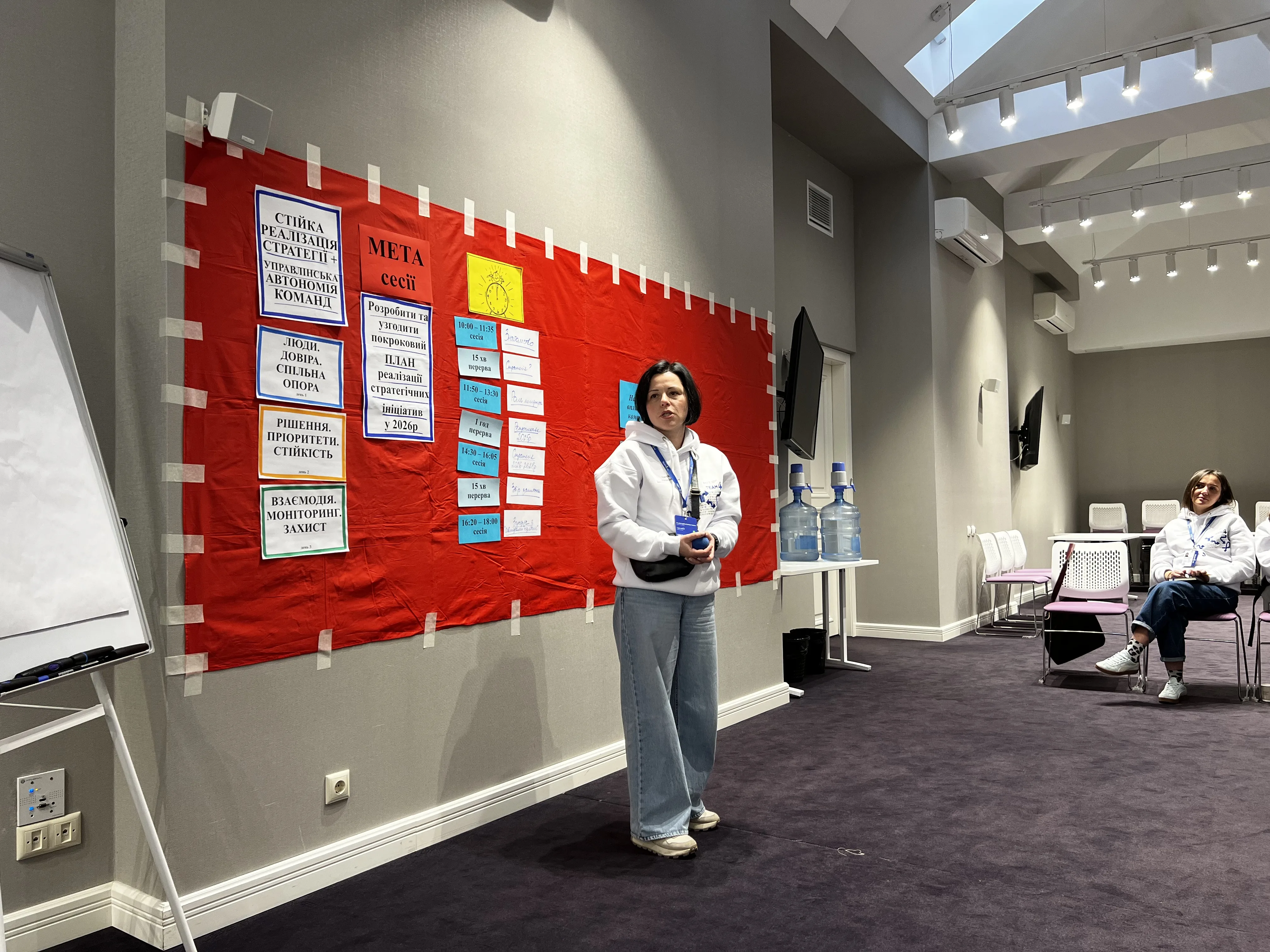
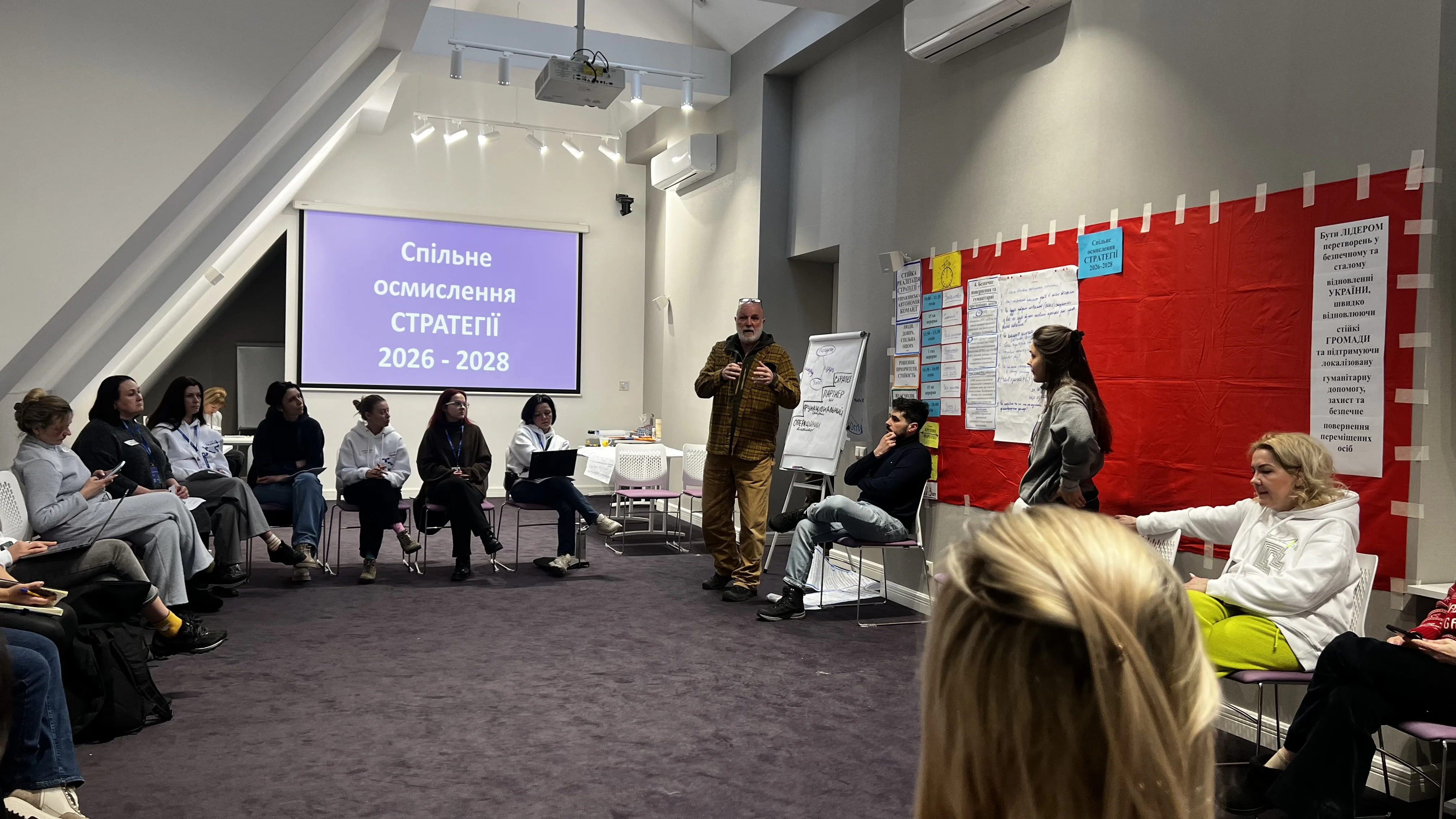
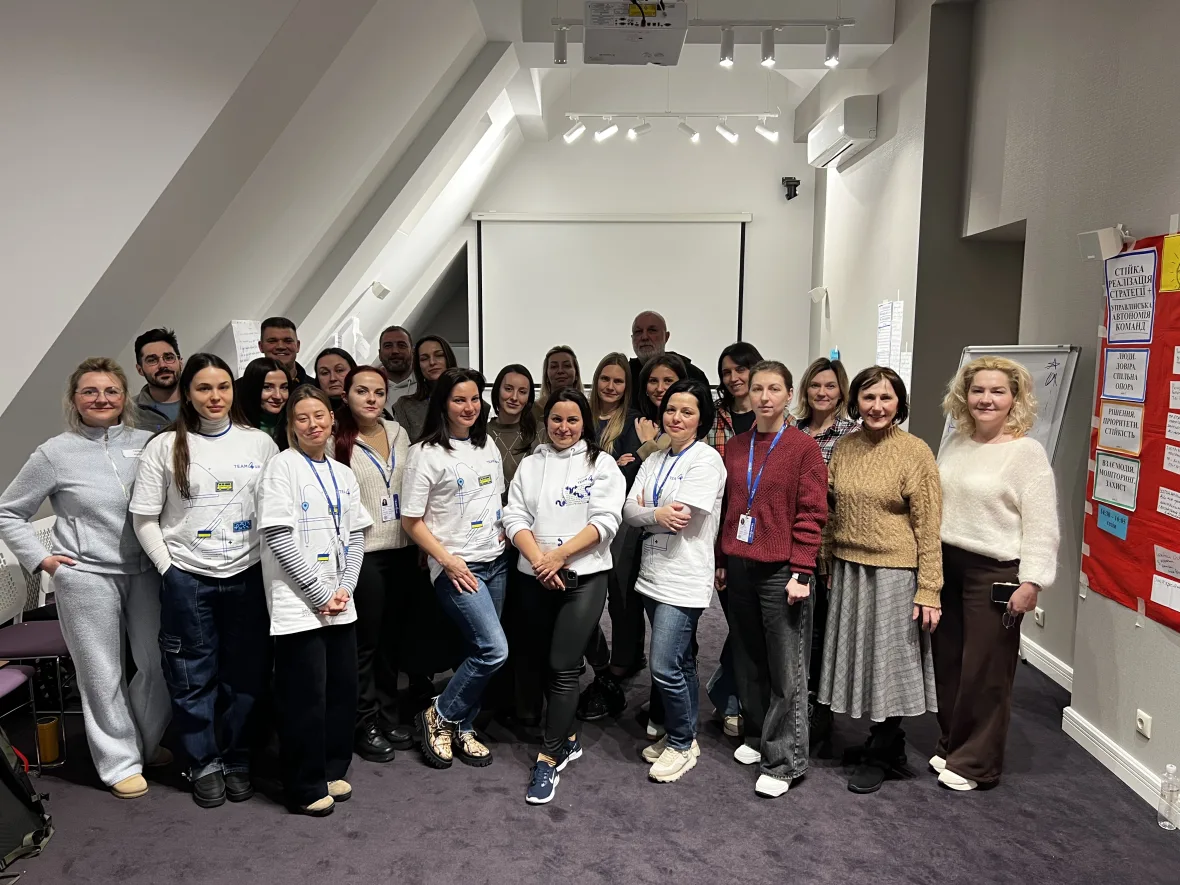
In January, the Team4UA team held a three-day strategic retreat focused on open discussion of challenges, analysis of cross-departmental collaboration, and translating key insights into concrete action plans with clear ownership.
NGO ≠ business
A strategic session for non-governmental organizations has its own specifics, and if you ignore them – instead of focus, the team ends up with more chaos.
Three key principles of NGO strategy:
- Mission: the strategy supports the meaning and values of the organization. It answers the question: why are we still here and how not to lose our purpose.
- People: it’s important that all roles and voices in the team influence decisions – from activists to managers. The session should create a space where every voice matters, not just sounds.
- Adaptiveness: limited funding, changes, and risks require a living, flexible strategy.
Signals that it’s time to revisit strategy
Signals that it’s time to strategize:
- Overloaded team.
- New projects appear while old ones remain.
- Decisions are made without an aligned direction.
- Sense of togetherness is fading.
A strategic session is regular management hygiene. Not when it already hurts, but to prevent it from getting to that point. That’s why NGO strategizing should be more frequent, shorter, but deeper
Viktoriya Sokolova, business coach and facilitator
Досвід Team4UA
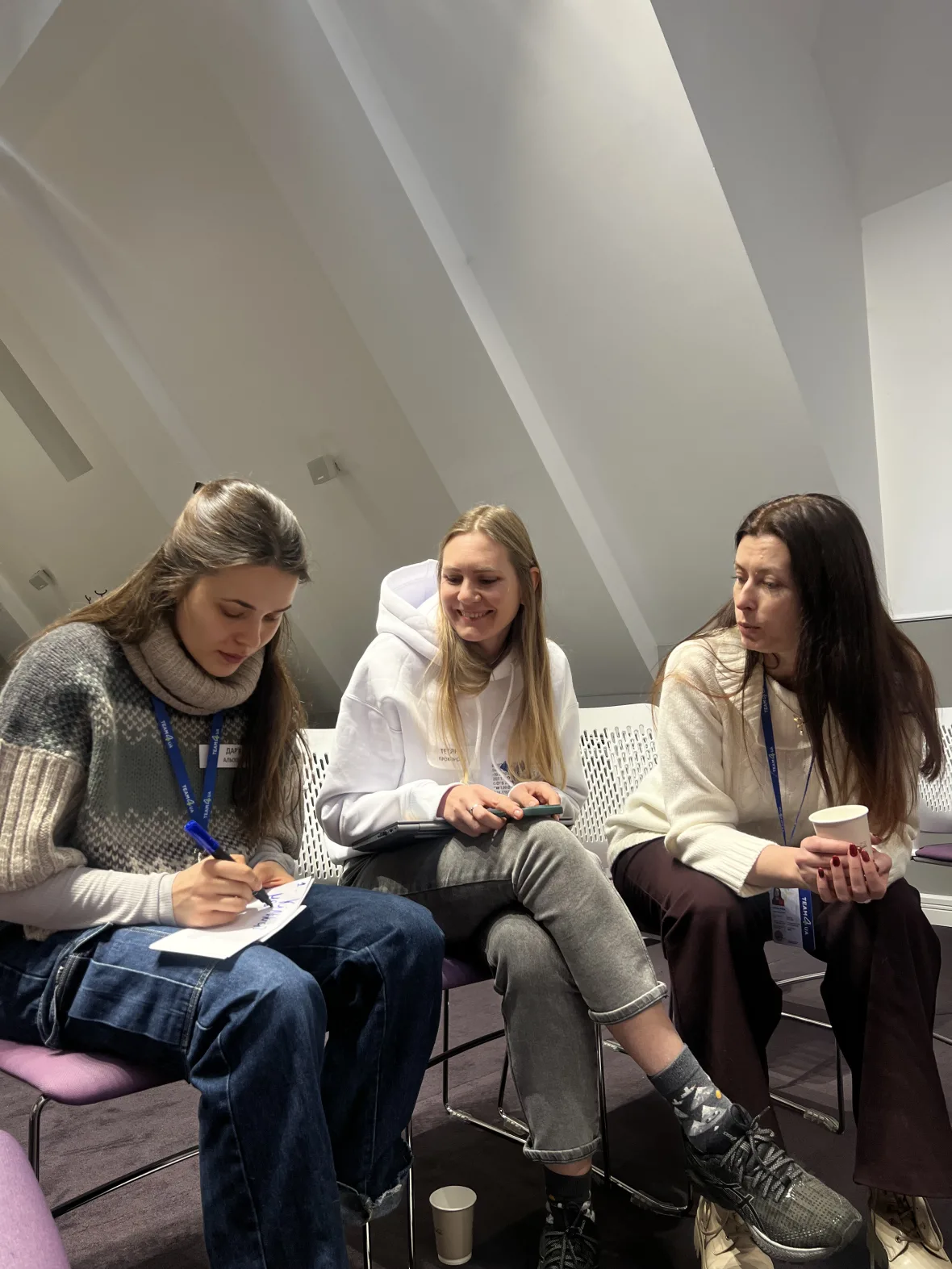
Last month, the Team4UA team held a three-day strategy session, discussing key development directions and turning them into concrete action plans with responsible owners.
The session was especially valuable for discussing cross-departmental interaction, understanding where challenges arise, and what works well.
The board defined the strategic vision in advance. Our task during the session was to turn this vision into a clear action plan – with priorities, responsible people, and realistic deadlines. It’s important for me that every team member understands how strategy affects operational work — so they can make the right decisions in their role. I have over 20 years of business experience, and such sessions are regular practice. They help bridge the gap between strategy on paper and actual operational work
Jean-Christophe Bonis, Director of Team4UA.
When to run a strategic session?
- When your strategy exists but doesn’t work.
- When the team does a lot, but in the wrong direction.
- Quarterly – to check whether the strategy really works.
The event was implemented within the framework of the TERA Consortium with the financial support of the Ukraine Humanitarian Fund (UHF).