Every week, evacuation trains arrive in the Rivne region from different parts of Ukraine, where people are forced to leave their homes due to ongoing hostilities. The Team4UA Foundation, together with its partners, supports those traveling on these trains, assisting them at every stage of relocation and adaptation in a new place.
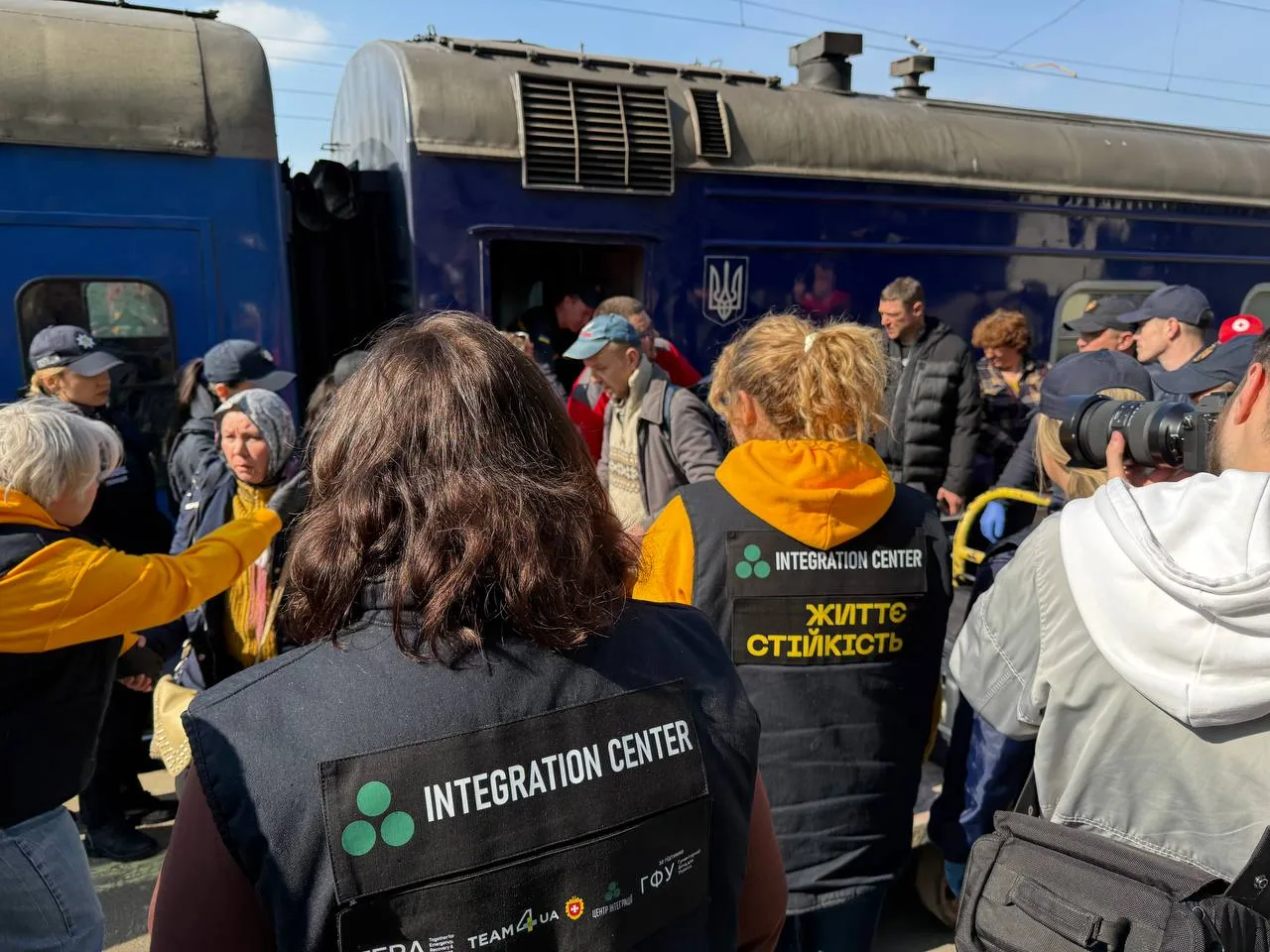
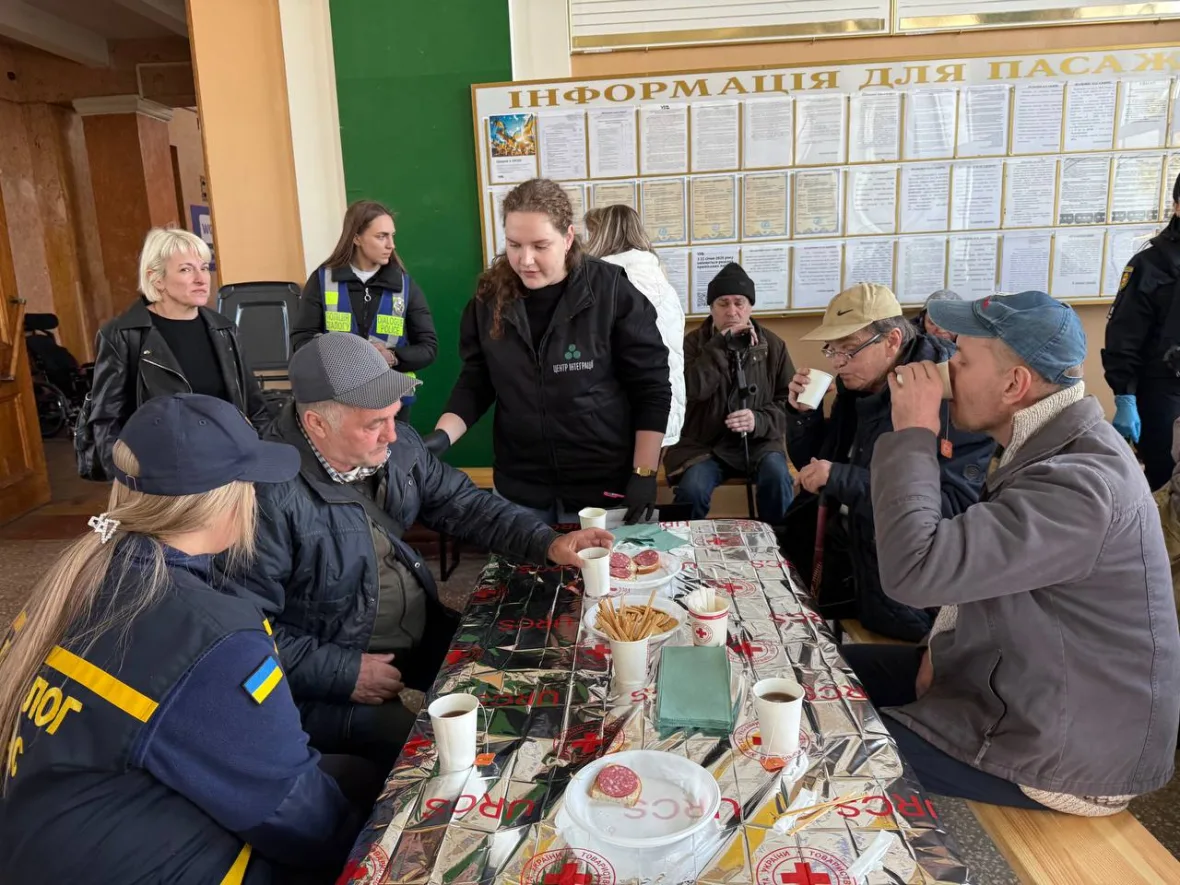
Our partner, the Integration Center NGO, assesses needs, organizes accommodation, ensures access to essential services, provides legal assistance, and supports those who require additional care, including older people and those facing difficult life circumstances.
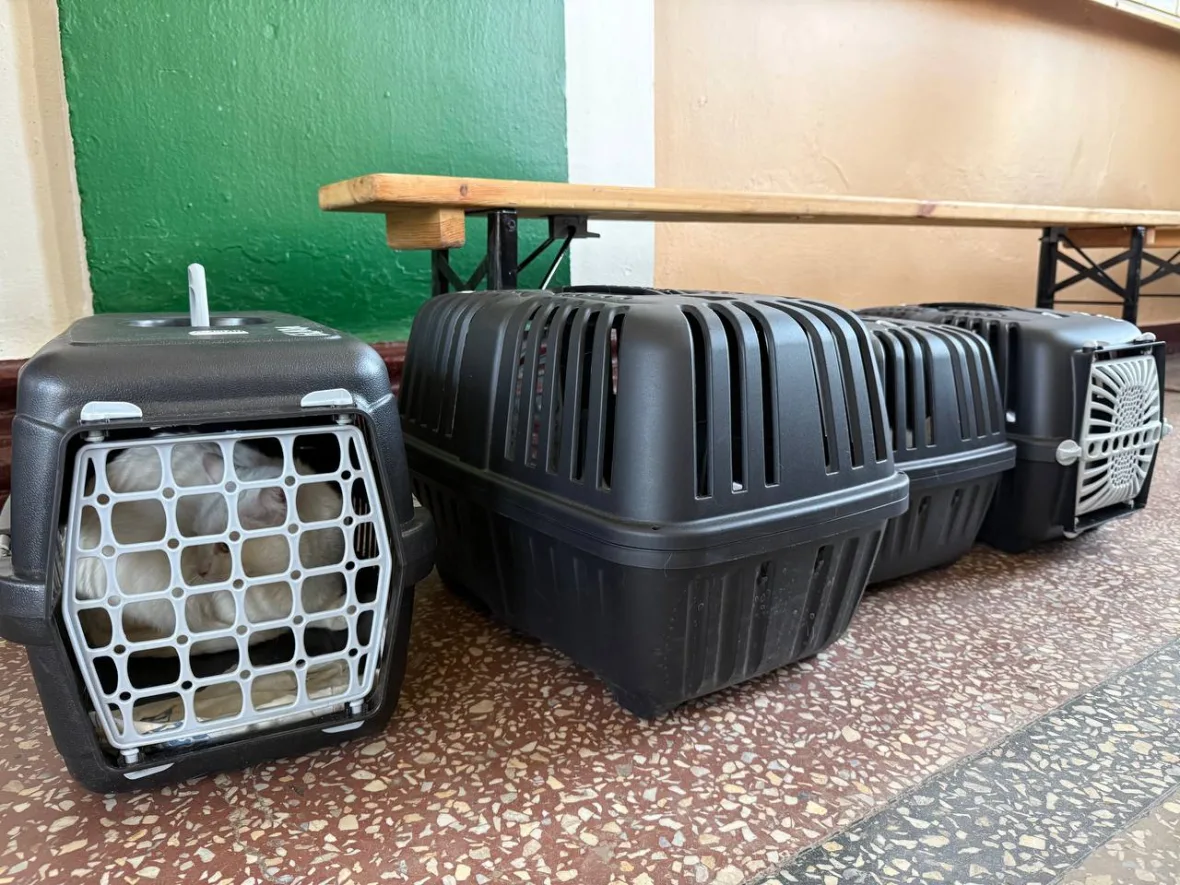
In March, more than 80 people arrived in the Rivne region by evacuation trains. Among them were a couple from the Dnipropetrovsk region who brought along their dog, Lori, and a teacher from the Donetsk region who evacuated with her husband, son, and daughter-in-law after months without electricity or water.
Many people come from towns and villages where hostilities have disrupted access to basic services; they often live under constant stress and physical exhaustion.
This work is carried out within the TERA Consortium, supported by the Ukraine Humanitarian Fund (UHF). The TERA Consortium was established by the Team4UA Foundation to coordinate assistance and strengthen support for people forced to flee their homes.
1. Arrival of an evacuation train in the Rivne region – our partner, the Integration Center NGO, supports people arriving from affected areas, assisting them with adaptation, needs assessment, and further support.
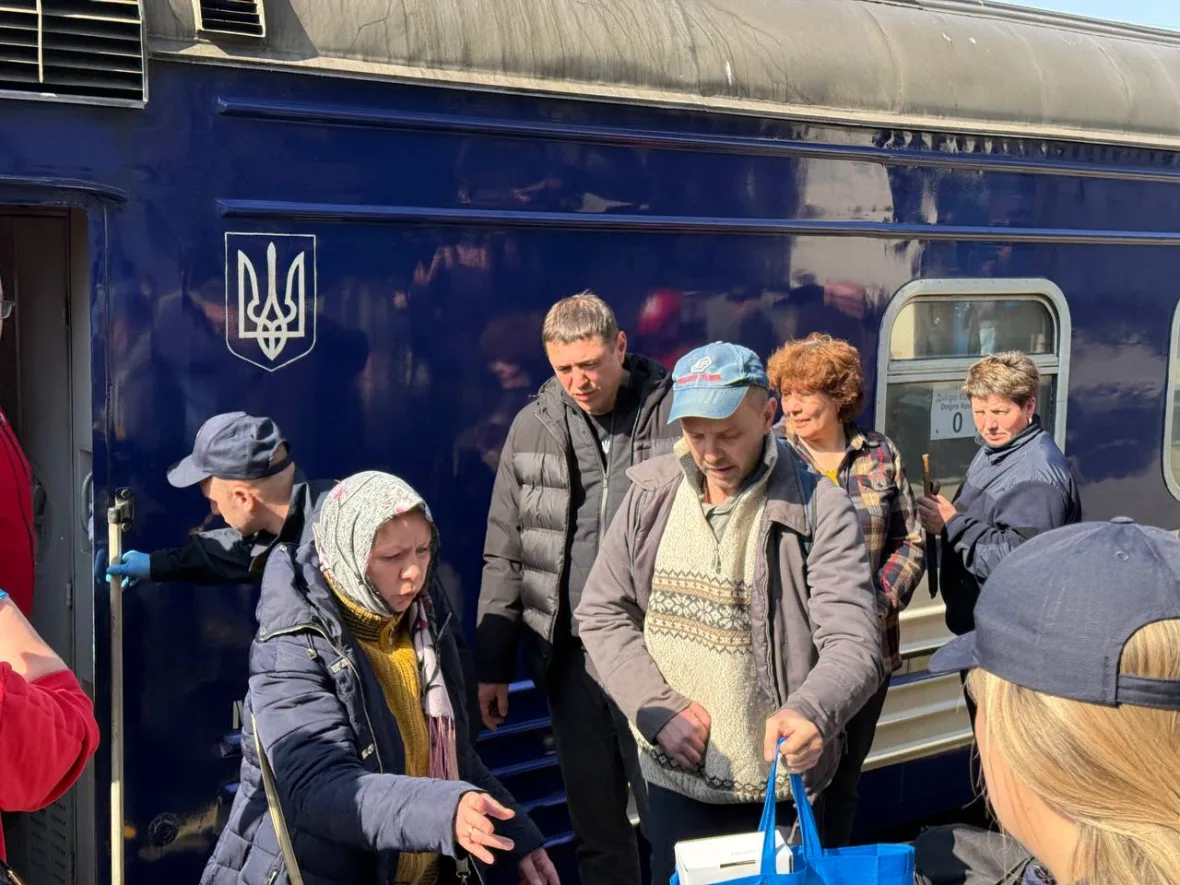
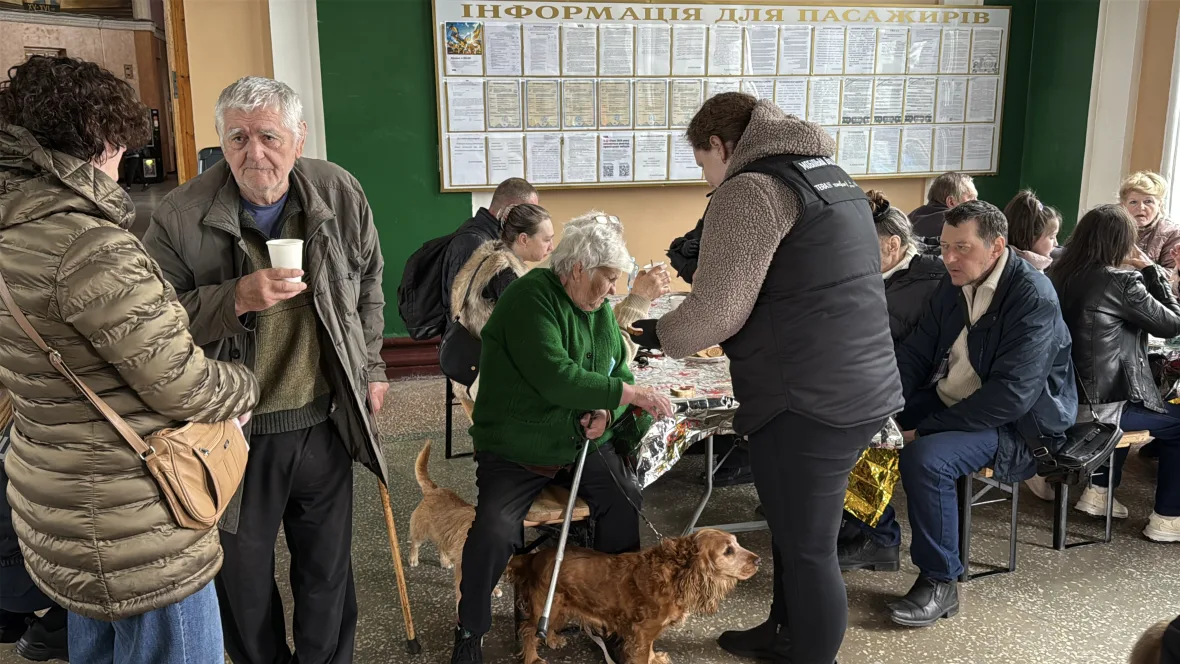
2. Volodymyr and Nataliia with their dog Lori – a couple from the Dnipropetrovsk region who evacuated to the Rivne region by train, bringing only the essentials and their pet.
3. Kateryna and her family – a teacher from the Donetsk region who evacuated with her husband, son, and daughter-in-law after months of living without electricity and water.
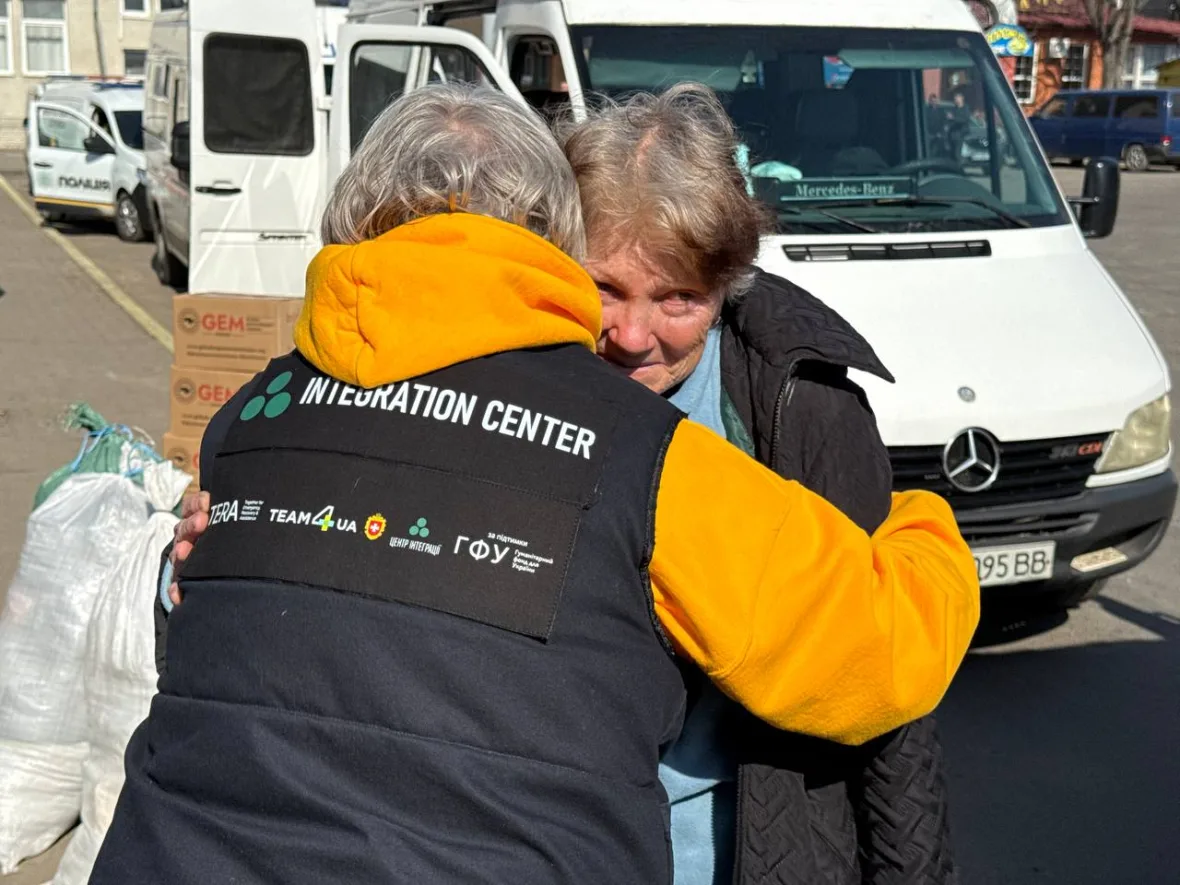
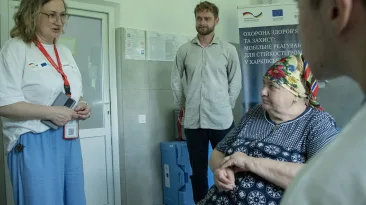
4. Community residents – among the evacuees are people of all ages, including older people and persons with disabilities who require additional support.
5. Pets – some families arrive with their animals, and our partners help ensure proper conditions and care for them.