
Background
Widespread destruction caused by hostilities has led to a critical shortage of housing and social facilities in Ukraine. According to official data as of 2023, more than 2,000 educational institutions have been damaged, and hundreds have been completely destroyed. This deprives the younger generation of access to quality education.
The situation is particularly critical in communities that have hosted a large number of internally displaced persons (IDPs). Specifically, Lviv became a sanctuary for tens of thousands of evacuated children, causing an immense strain on local schools and leading to overcrowding. Restoring infrastructure using traditional methods under crisis conditions is a lengthy and high-cost process.
In response, the “Team4UA” Charitable Foundation launched the innovative project “HIVE”. Its goal is the rapid, eco-friendly, and cost-effective reconstruction of schools, housing, and critical infrastructure using 3D construction printing technologies.
Project Description
HIVE is the world’s first innovative project to deploy 3D construction printing in a country in a state of war. The initiative is implemented by the “Team4UA” Charity Foundation with the support of the international technological humanitarian fund Humanitarian Innovative Technologies (HIT), in partnership with the Lviv City Council.
The core component of the project is the construction of a new educational building for primary school #23 in Lviv. Its objective is to create safe, inclusive, and modern educational conditions for children affected by the war. The project also demonstrates the potential of 3D technologies for large-scale recovery across Ukraine.
Core Activities
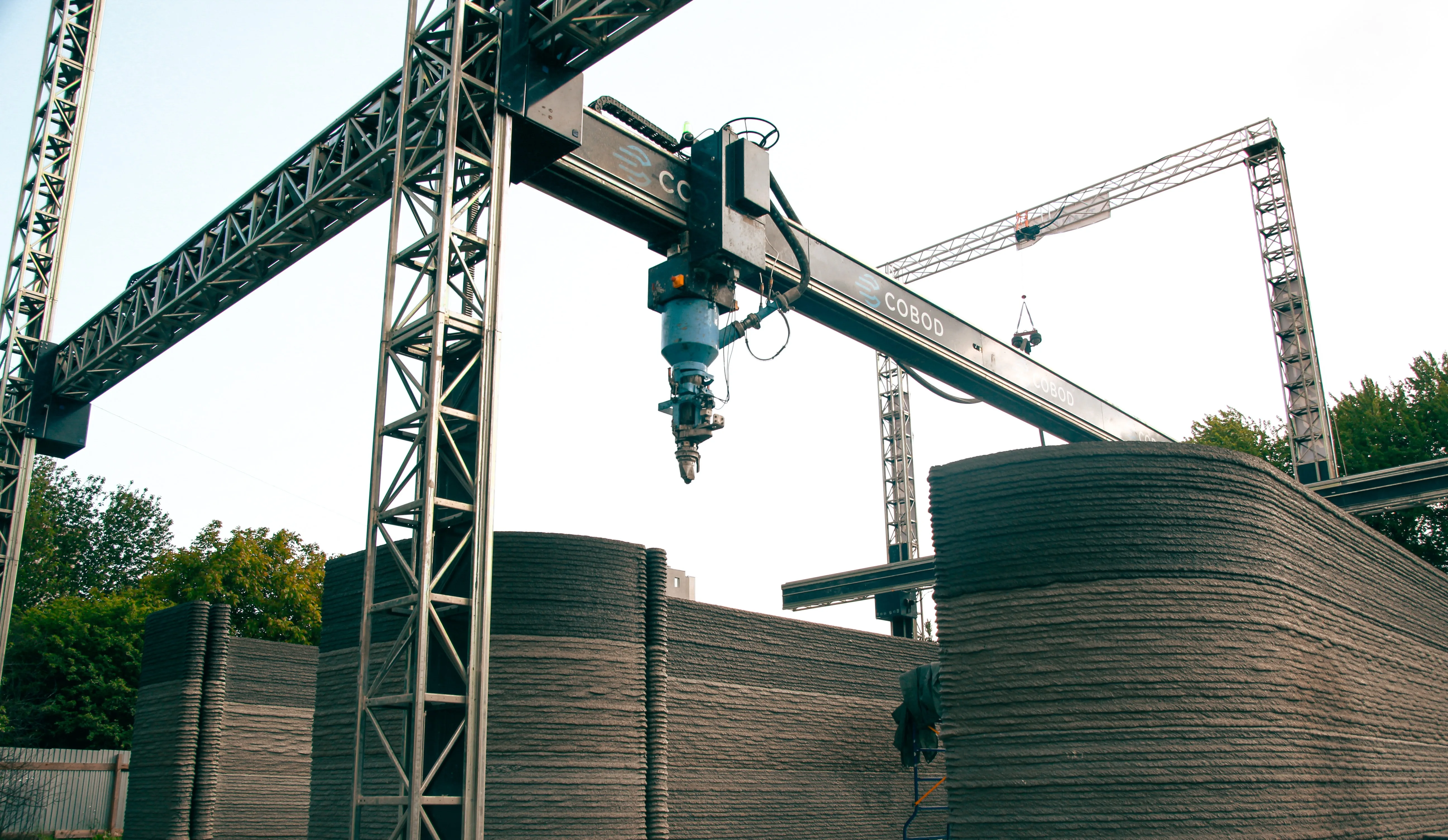
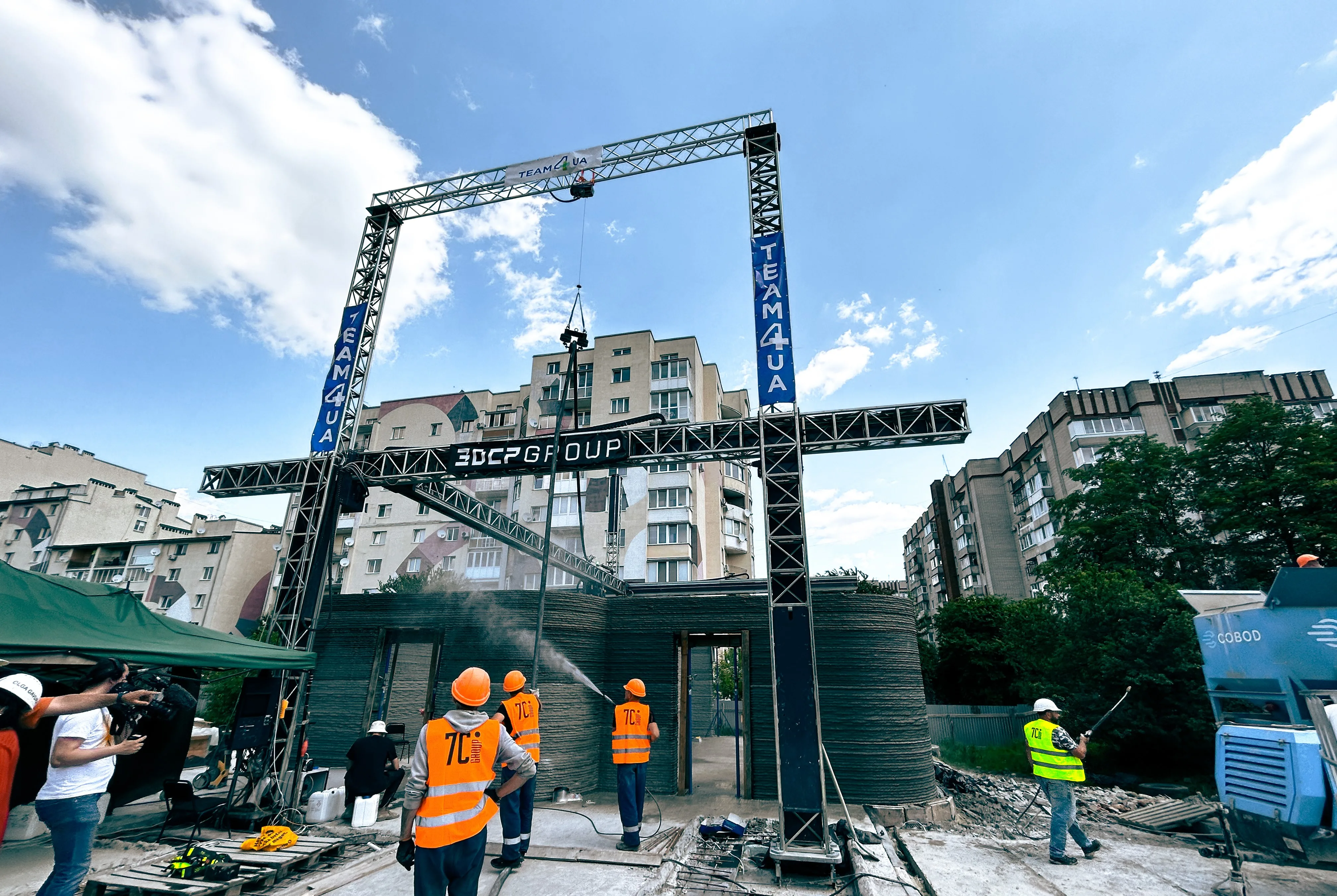
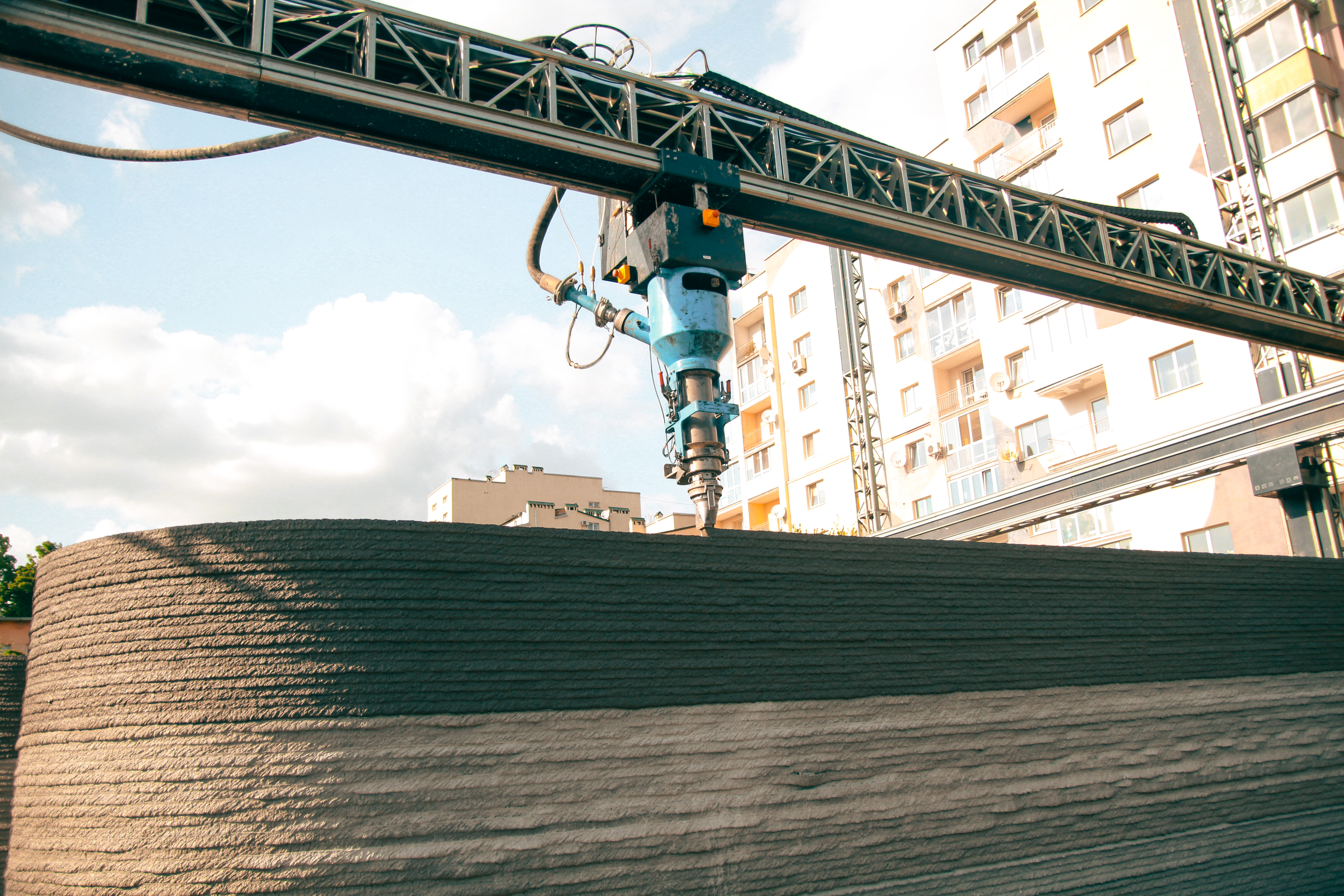
- Automated 3D Concrete Printing: Erecting the walls of the educational building using the second-generation BOD2 printer from COBOD without the use of standard formwork.
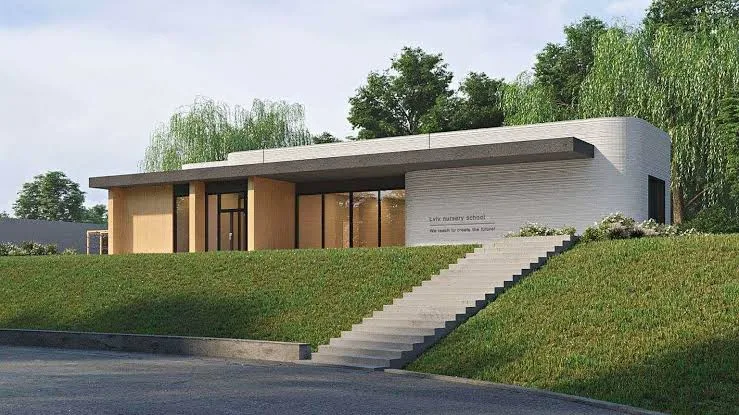
- Creation of an Inclusive Educational Space: Designing and constructing a barrier-free, single-story building with classrooms, a staff room, and a spacious hall accessible to all categories of students.
- Integration of Local Resources: Managing logistics and ensuring that over 90% of the materials used in the construction are manufactured in Ukraine.
- Scaling and Equipment Procurement: Fundraising to expand the fleet of 3D construction printers for the subsequent rapid replication of standardized schools and IDP housing.
Project Geography
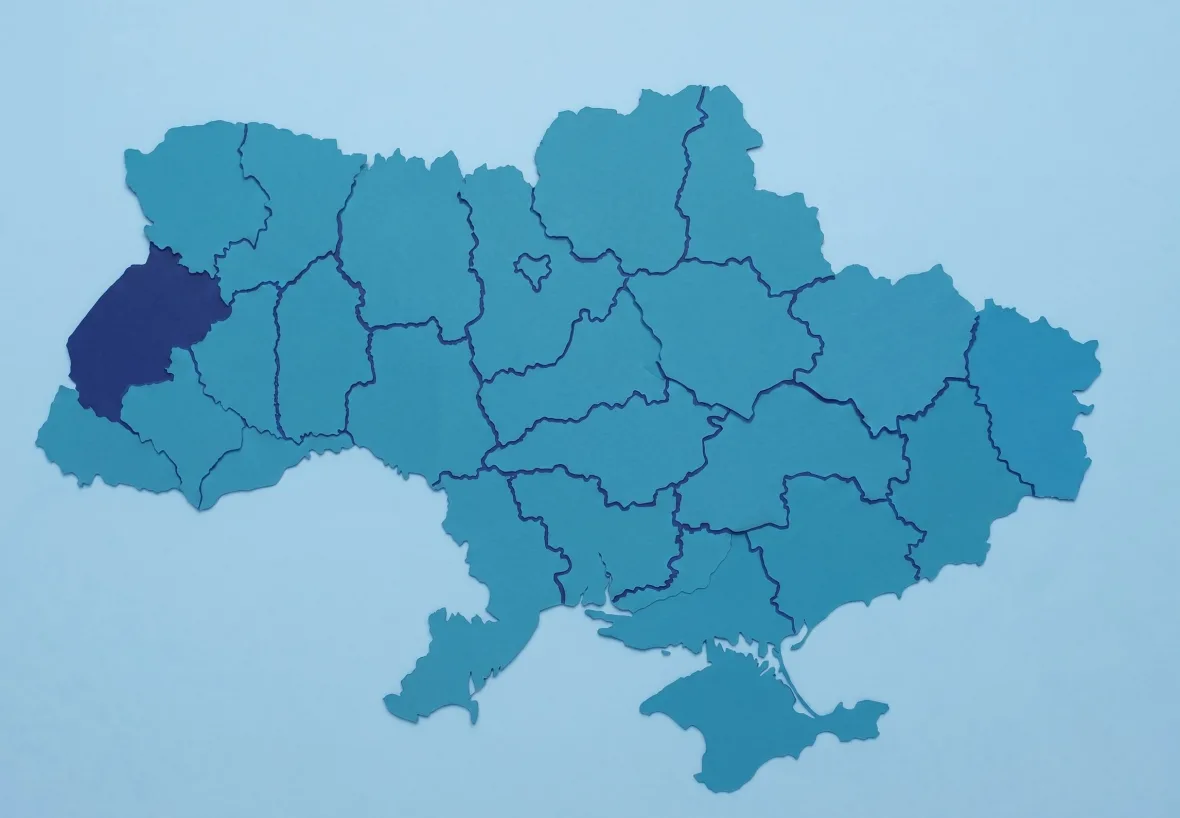
The pilot phase of the project is implemented in the city of Lviv on the premises of public school #23. Upon successful implementation, the acquired experience can be leveraged to deploy similar solutions in other regions of Ukraine.
Results
- Creation of a new, technologically advanced school building with a total area of 506 sq. m.
- Providing access to education for 100 primary school pupils annually, plus an additional 100 children during after-school activities.
- Reducing wall construction times tenfold (printing walls for a 50 sq. m building takes 12 to 18 hours compared to up to 4 weeks using conventional masonry methods).
- Lowering construction costs by up to 20% through optimized material usage and minimal labor requirements (the printer requires only two operators to function).
- Reducing the environmental footprint and carbon dioxide ($CO_2$) emissions by up to 70% compared to conventional construction methods.
Implementation Partners
The project is implemented by the “Team4UA” Charity Foundation alongside international and Ukrainian partners. The main donors providing financial support for the project’s implementation are TEDx and Ukrsibbank (Ukrsibbank BNP Paribas Group).
Lviv City Council – Official public partner and beneficiary of the project, which allocated the corresponding land plot and provided municipal oversight from its educational department.

COBOD International – Technology partner and world leader in 3D construction printing, which provided the BOD2 printer and ensured technical supervision by experts.

3DCP Group – Specialized construction company responsible for directly managing the printer operations and executing the building process.
balbek bureau – Leading Kyiv-based architectural studio that created the unique visual, interior, and inclusive concept for the educational building.

Ars Longa – Architectural bureau that developed the working project documentation and provides ongoing author supervision on the construction site.
CEMARK (CRH Group) – Material partner that provided 50 tons of high-quality Ukrainian cement to develop the specialized concrete mix.