
Background
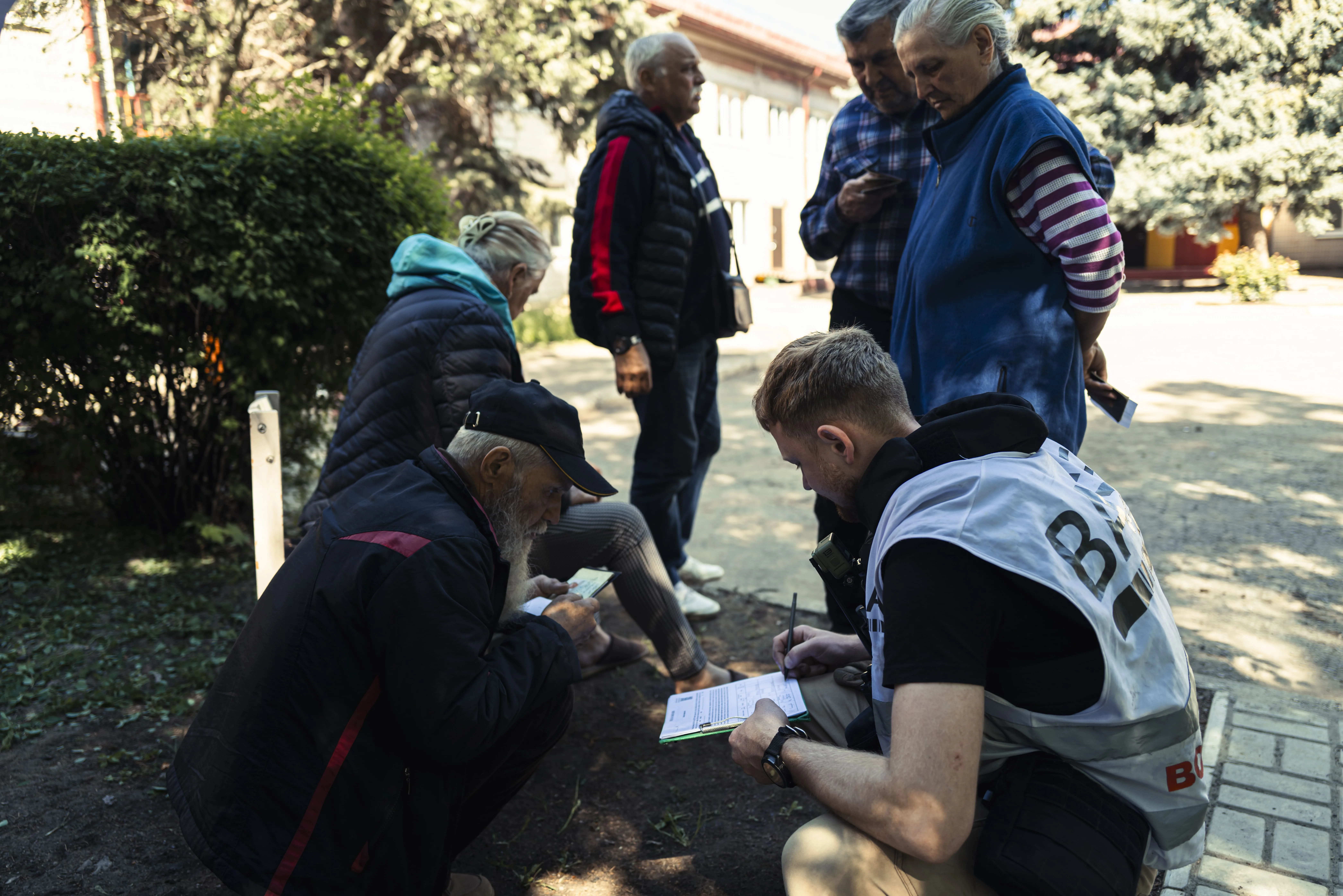
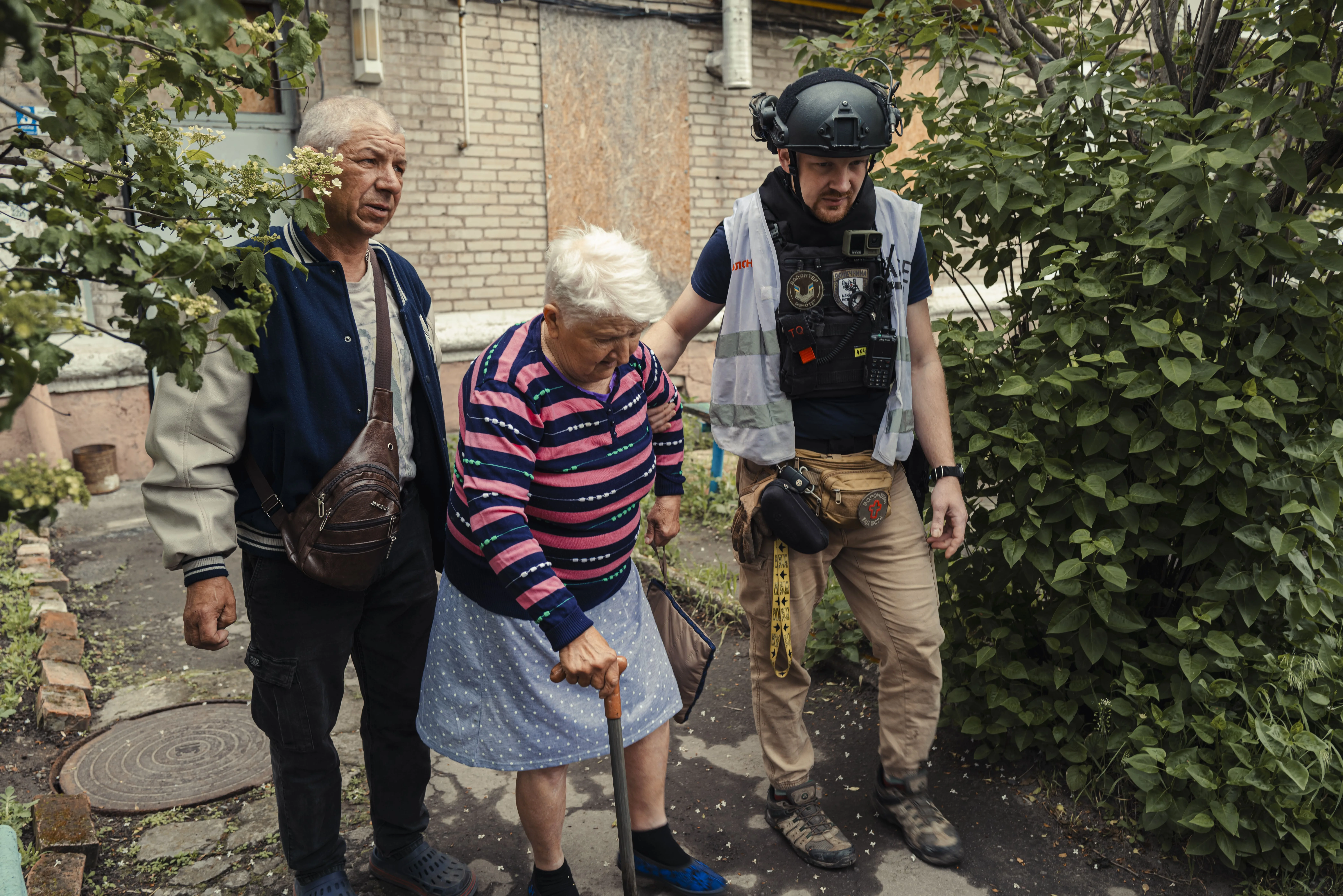
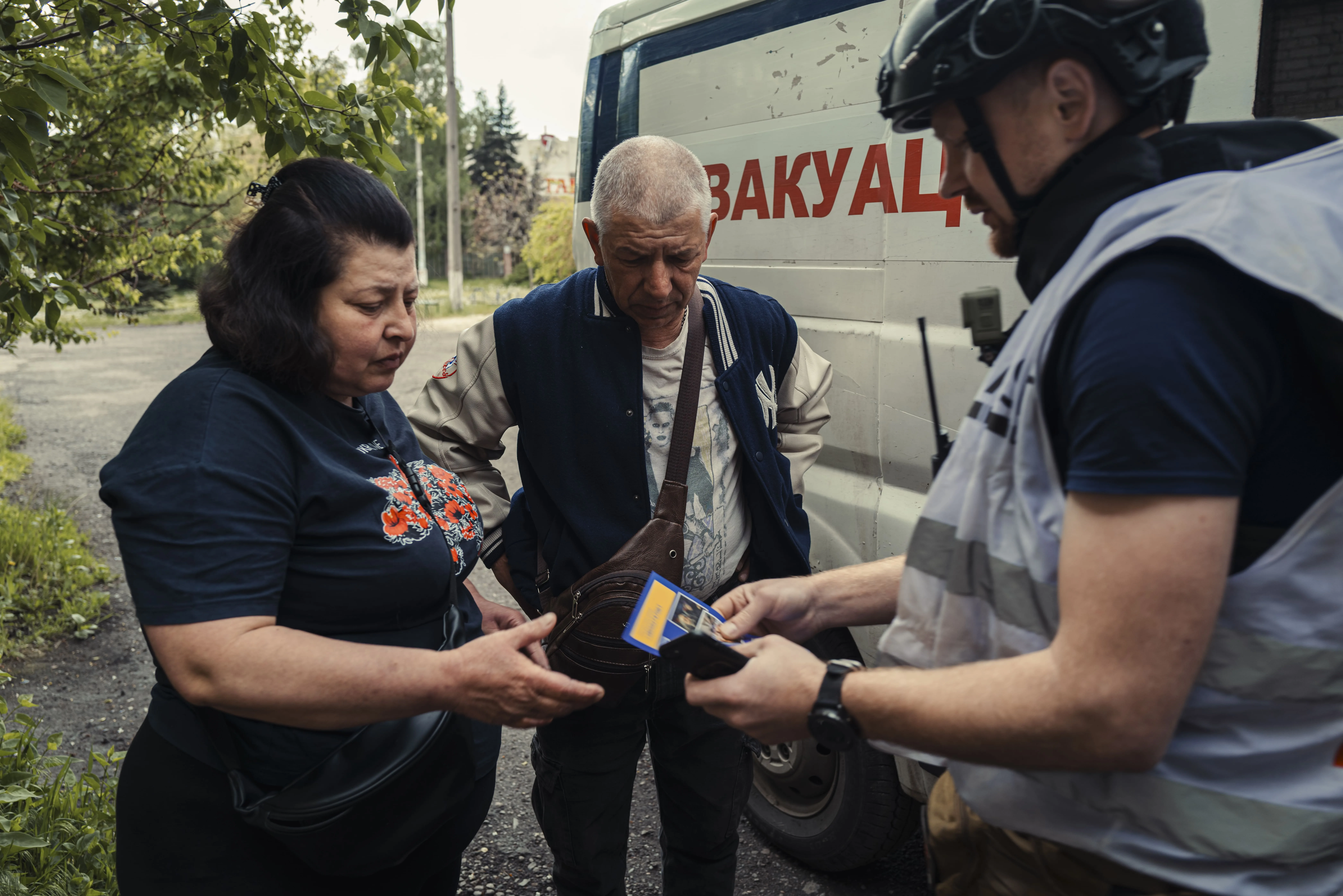
Mass and high-risk displacements of the civilian population from Ukraine’s frontline territories have created a critical need for comprehensive accompaniment at all stages of the evacuation journey: from rescue to integration into receiving hromadas.
According to partner assessments, up to 46% of evacuees are persons with disabilities and members of low-mobility groups who require specialized transportation and accommodation conditions, while a significant portion of temporary accommodation facilities remain inaccessible to them, hindering their ability to receive necessary protection and support.
In response, the TERA Consortium launched the “EASE 2.0” (Emergency Assistance and Support to Evacuation (Version 2.0)) project, aimed at continuous evacuation, protection, and recovery of the affected population, as well as providing critical support to humanitarian workers.
Project Description
EASE 2.0 (Emergency Assistance and Support to Evacuation) is a multi-sectoral humanitarian project implemented by the TERA Consortium. The project spans 16 oblasts of Ukraine and integrates evacuation, cash assistance, general protection, psychosocial support, medical transportation, legal assistance, child protection, and rapid emergency shelter recovery.
The project spans 16 oblasts of Ukraine and integrates evacuation, cash assistance, general protection, psychosocial support, medical transportation, legal aid, child protection, and emergency shelter recovery.
Core Activities
- Conducting technical assessments and inclusive adaptations of collective sites to ensure physical accessibility and safe living conditions.
- Providing comprehensive case management and individualized accompaniment for persons in difficult life circumstances, with a particular focus on vulnerable groups.
- Delivering psychosocial support via structured individual and group-based sessions for both adults and children.
- Organizing specialized social transportation for persons with disabilities and members of low-mobility groups.
- Ensuring specialized home-based care services for individuals presenting high support and assistance needs.
- Strengthening the capacity of hromadas and local institutions through targeted training on disability inclusion, protection standards, and effective response to IDP needs.
Project Geography
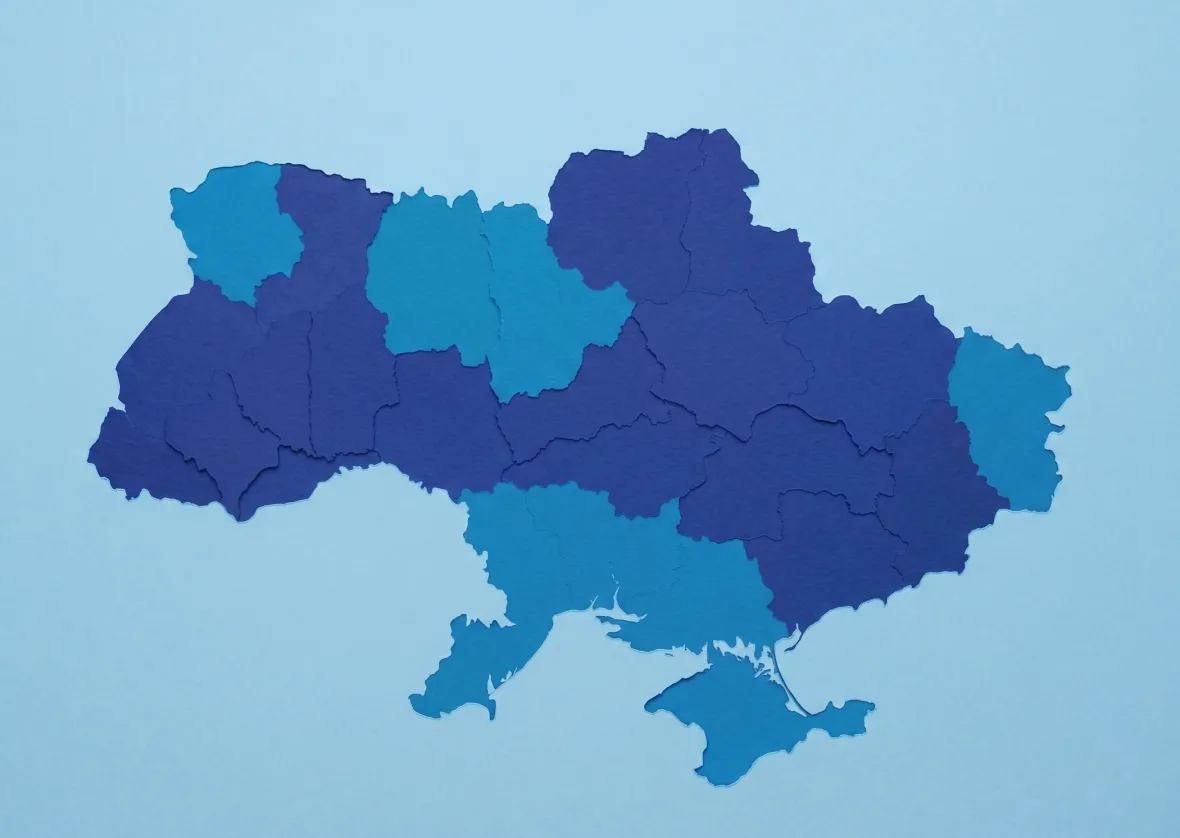
16 oblasts of Ukraine: Donetska, Kharkivska, Sumska, Chernihivska, Zaporizka, Dnipropetrovska, Kirovohradska, Chemkaska, Vinnytska, Khmelnytska, Ivano-Frankivska, Temopilska, Zakarpatska, Chemivetska, Lvivska, and Rivnenska.
Expected Results
- Comprehensive humanitarian support for over 31,000 individuals affected by military actions.
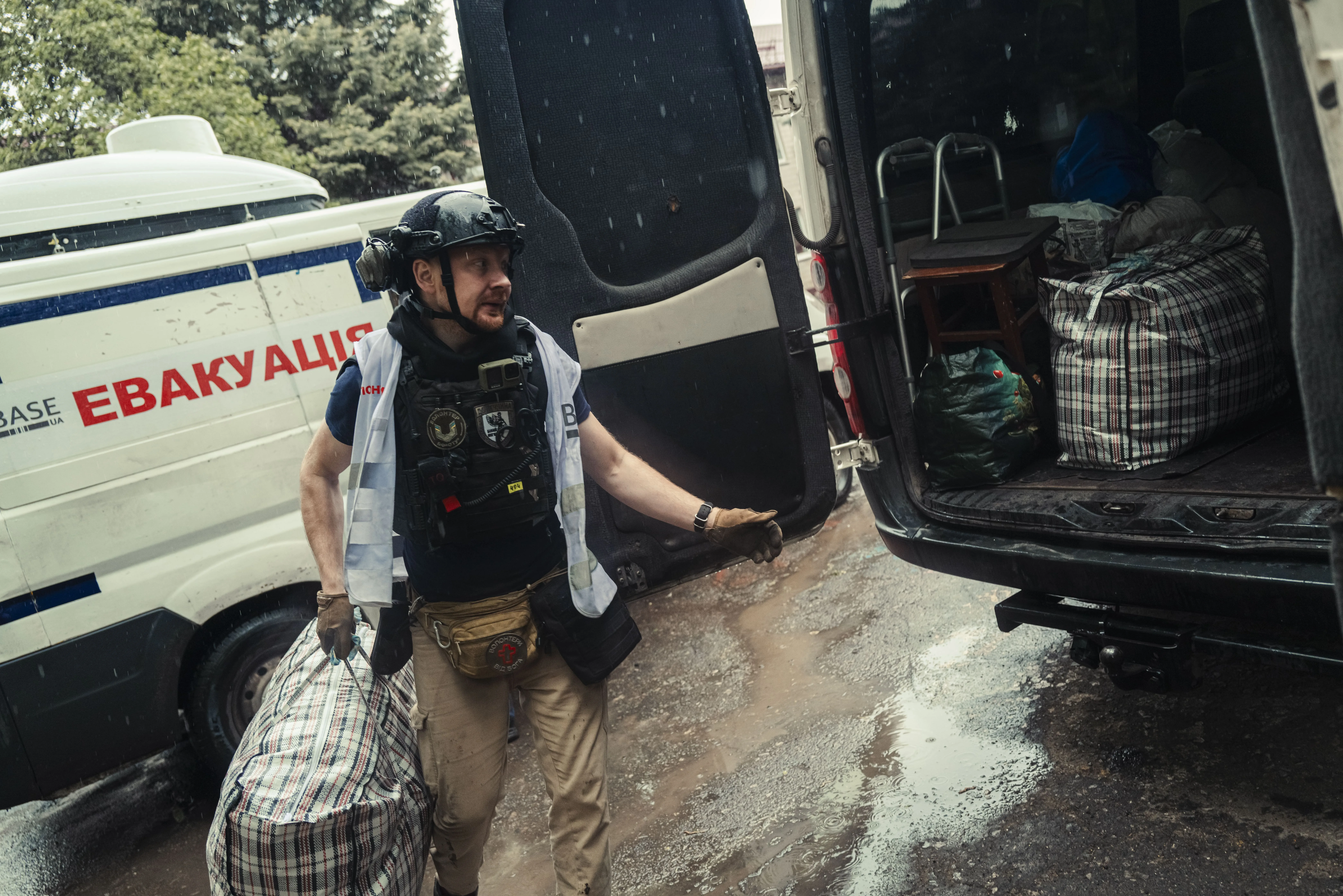
- Conducting evacuation missions for 11,300 individuals and providing medical transportation for 300 patients requiring specialized accompaniment.
- Delivery of emergency and multi-purpose cash assistance for 6,400+ individuals in crisis situations.
- Improvement of conditions and safe accommodation standards in 37 temporary accommodation facilities.
- Psychosocial and specialized support (including services for GBV survivors) for 4,800+ children and adults.
- Qualified legal accompaniment and resolution of 1,200 legal cases.
- Strengthening the capacity and security of 200 frontline volunteers and 120 social workers.
Implementing Partners
The project is implemented by the members and partners of the TERA Consortium under the leadership of the Charitable Fund “Team4UA”.
Project partners:
NGO “The Tenth of April” (TTA) – General protection, multi-purpose cash assistance, legal aid, and site management.

NGO “Posmishka UA” – Child protection, child-friendly MHPSS, collective site upgrades, and NFI distribution.

CF “Goodwill” – Rapid logistics, Emergency Shelter Kit (ESK) distribution, and post-strike cash transfers.
CF “Mission Kharkiv” – Specialized medical transportation, healthcare facility support, and first aid training.
NGO “BASE UA” – High-risk frontline address evacuations using specialized vehicles.